
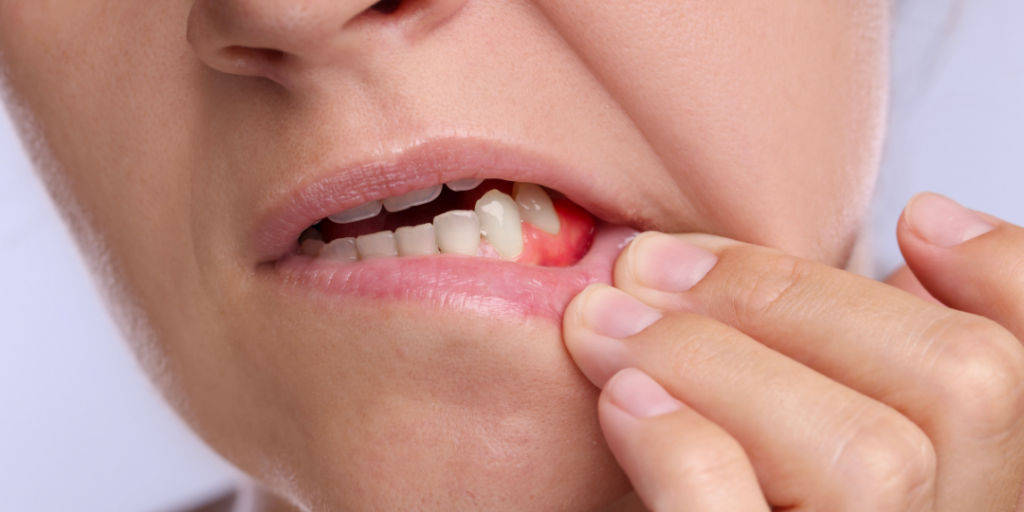
If your gums feel puffy, sore, or bleed when you brush, your body is trying to tell you something. Swollen gums are common, but they are not something to ignore. Sometimes the cause is simple, like food stuck between the teeth or brushing too hard. Other times, swollen gums are an early sign of infection or gum disease that needs professional attention.
From a holistic, health-centered perspective, gum inflammation is not just about your mouth. Your gums reflect your daily habits, immune system, nutrition, stress levels, and overall health. The good news is that the sooner you identify the cause, the easier it usually is to treat.
The most common reason gums swell
The most common cause of swollen gums is plaque buildup along the gumline. Plaque is a sticky film of bacteria that forms on teeth every day. If it is not removed thoroughly with brushing and flossing, it can irritate the gums and trigger inflammation. This early stage is called gingivitis. At this point, gums may look red, feel tender, and bleed easily when you brush or floss.
If plaque is allowed to sit too long, it can harden into tartar. Once tartar forms, it cannot be removed at home. The bacteria around it continue to inflame the gums, and the condition can progress into periodontal disease, which may damage the tissues and bone that support your teeth.
Other common causes of swollen gums
While gingivitis is the most common reason, it is not the only one. Swollen gums can also happen because of:
1. Brushing or flossing too aggressively
Healthy gums do not need harsh scrubbing. Using a hard-bristled toothbrush, snapping floss into the gums, or brushing too hard can irritate the tissue and leave the gums swollen or sore.
2. Food trapped under the gums
A popcorn hull, a chip fragment, or other food debris can get stuck near the gumline, causing a very localized area of swelling. Sometimes people think they have a major dental problem when it is simply something irritating the tissue.
3. Hormonal changes
Pregnancy, menstruation, perimenopause, and menopause can all make gums more sensitive and reactive. If you are already dealing with some plaque buildup, hormone changes can make swelling and bleeding more noticeable.
4. Vitamin deficiencies or poor nutrition
A low intake of essential nutrients, especially vitamin C, can affect gum health and healing. Nutrition matters because your gums are living tissue that depend on a strong immune response and proper collagen support.
5. Ill-fitting dental appliances
Dentures, retainers, braces, or other oral appliances can rub the gums or trap plaque if they do not fit properly. That repeated irritation can lead to swelling.
6. Infection or abscess
Sometimes swollen gums are a sign of a deeper dental infection, such as an abscessed tooth. This kind of swelling is often more painful and may be accompanied by pressure, a bad taste, or facial swelling.
7. Medications or underlying health conditions
Certain medications and health conditions can increase the likelihood of gum swelling. Diabetes, oral infections, immune changes, and some prescription drugs can all play a role.
What swollen gums usually feel like
Swollen gums can show up in a few different ways. You might notice:
- Red or purplish gums
- Puffiness along the gumline
- Bleeding when brushing or flossing
- Tenderness or soreness
- Bad breath
- A bad taste in the mouth
- Gums that look shiny or unusually smooth
- Pain when chewing
- Gums pulling away from the teeth
If the swelling is limited to a small area, it may be due to irritation, trapped food, or a localized infection. If it is more generalized throughout the mouth, gum disease or a systemic factor may be involved.
When swollen gums are a sign of gum disease
One of the biggest problems with gum disease is that it often starts quietly. Many people think a little bleeding is normal. It is not. Healthy gums should not bleed regularly.
If swollen gums are caused by gingivitis, you may still be in the reversible stage. But if the swelling continues and the gums begin to pull away from the teeth, you may be entering a periodontal disease stage. At that stage, the infection can begin affecting the bone and connective tissues that hold your teeth in place.
This is why symptom-first questions like “Why are my gums swollen?” matter so much. Catching gum inflammation early can help you avoid deeper infection, gum recession, loose teeth, and more extensive treatment later.
What you can do at home right away
If your gums are swollen, these steps can help calm irritation and support healing:
- Brush gently with a soft-bristled toothbrush
- Floss carefully once a day
- Rinse with warm salt water
- Stay hydrated
- Avoid tobacco, alcohol, and very spicy foods
- Choose a balanced diet rich in vitamins and minerals
- Stop using a new toothpaste or mouthwash if you suspect sensitivity
These are supportive steps, not a substitute for care if the underlying problem is infection or gum disease.
When to see a dentist
You should schedule a dental visit if:
- The swelling lasts more than two weeks
- Your gums bleed regularly
- The area is very painful
- You notice pus, a bump, or a bad taste
- Your teeth feel loose or different when you bite
- Your gums are receding
- You have swelling in the face or jaw
In a health-centered practice, we do not just look at the swollen gum tissue. We look at the whole picture. That includes your brushing technique, inflammation levels, possible nutritional patterns, medications, stress, sleep, dry mouth, and any signs of deeper periodontal disease.
A holistic, health-centered view of swollen gums
Gum inflammation is often your body’s first warning sign that something is out of balance. Sometimes that imbalance is bacterial. Sometimes it is mechanical, hormonal, or nutritional. Often, it is a combination.
That is why treatment should go beyond “just cleaning your teeth.” True gum care means identifying the cause, calming inflammation, supporting the body’s healing response, and creating a prevention plan that fits your life.
If your swollen gums are tied to early gum disease, professional care now can help stop the progression before it becomes a larger problem. If you are already noticing ongoing bleeding, tenderness, or recession, it may be time to explore a more comprehensive periodontal evaluation.
The bottom line
Swollen gums are common, but they are not normal. Plaque buildup, irritation, hormonal changes, vitamin deficiencies, infection, appliances, or medical issues can cause them. The most important step is not guessing for too long.
If your gums have been swollen, sore, or bleeding, let us help you figure out why. Early care is often simpler, more comfortable, and more effective than waiting until gum disease becomes advanced.If you are concerned about persistent swelling, bleeding, or signs of infection, visit our gum disease treatment page to learn how we approach periodontal care holistically and health-centered.