

By the time November arrives in Anchorage, the daylight is already shrinking fast. By the winter solstice, we get fewer than six hours of it, and the sun barely climbs above the mountains. We bundle up, we light the candles, and we get used to commuting in the dark. What most of us don’t think…

Health Centered Dentistry
Blog

Root Canal Therapy: A Biological Approach to Healing
Most people would not look forward to having a root canal procedure. Although root canals are no longer as painful as they were decades ago, many people still associate them with intense pain. Yet, sometimes, root canal treatment is necessary to keep a tooth you would otherwise lose. While standard root canals solve this problem,…

Why You Might Have Bad Breath Even If You Brush Every Day
You brush twice a day. You might even floss more than most people admit to. So why does your breath still not feel fresh? Here’s the thing most people don’t realize: bad breath (the technical term is halitosis) isn’t always a brushing problem. Somewhere between 80–85% of cases start in the mouth, but that still…
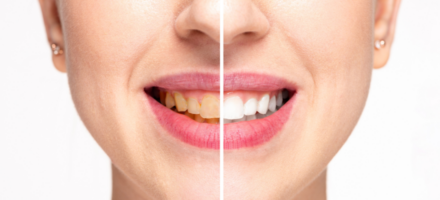
Sipping Smart: A Dental Guide to Avoid ‘Coffee Teeth’ (for Coffee Lovers)
Let’s be honest—there’s something magical about that first sip of coffee in the morning. In Anchorage, where the chill can linger well into June, it’s not just a habit; it’s a daily ritual. But as much as we love a warm cup (or three), there’s a not-so-pretty side to our beloved brew: coffee can do…

An Introduction to Myofunctional Therapy and Airway Health
Recently, I’ve been learning more about airways and breathing, and the health benefits (or consequences) that come with breathing correctly (or incorrectly). What does breathing “correctly” look like? How do we change how we breathe? Is it all mental? What parts are functional or structural? These questions are leading me down a path of exploration…

Oral Health and Whole-Body Wellness: What Health Problems Are Linked to Poor Oral Hygiene?
For decades, dentistry focused primarily on teeth and gums. Today, research paints a much bigger picture. The health of the mouth is closely connected to the health of the entire body. In fact, growing evidence suggests that chronic oral inflammation and gum disease may be linked to conditions ranging from heart disease and diabetes to…

What Is the pH of Saliva — and Why Does It Matter for Your Teeth?
Most people think cavities are caused by sugar alone. But in biological dentistry, the bigger picture matters. The chemistry of the mouth, especially the pH of saliva, plays a major role in whether teeth stay strong or begin to break down. This is why some people who eat “healthy” still struggle with cavities, enamel erosion,…

How Hypertension Affects Your Oral Health: A Biological Perspective
High blood pressure is often thought of as a heart condition, but its effects extend far beyond the cardiovascular system. The mouth is one of the first places where subtle changes can appear. Hypertension, commonly known as high blood pressure, is frequently called the “silent killer” because it can develop without noticeable symptoms. However, it…

Why Are My Gums Swollen? Causes, Signs, and When to See a Dentist
If your gums feel puffy, sore, or bleed when you brush, your body is trying to tell you something. Swollen gums are common, but they are not something to ignore. Sometimes the cause is simple, like food stuck between the teeth or brushing too hard. Other times, swollen gums are an early sign of infection…

How Perimenopause and Menopause Can Affect Your Oral Health
Women’s History Month is a good reminder that women’s health is whole-body health. In a biological, health-centered dental practice, we often see this truth show up in a place many people do not expect: the mouth. If you are in perimenopause or menopause and noticing new dryness, gum tenderness, bleeding when you floss, or a…
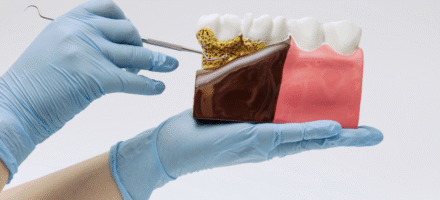
Gum Disease and Receding Gums: How They Are Connected and What You Can Do to Help Fix It
Healthy gums are the foundation of a healthy smile and a healthy body. Yet gum disease and gum recession often develop quietly, without pain, until noticeable damage has already occurred. From a holistic, health-centered dental perspective, this connection matters because what happens in your gums does not stay in your mouth. It affects inflammation, immunity,…

A New Year’s You: Dental Health Resolutions
Most New Year’s resolutions focus on health and wealth. Dental resolutions improve both. Preventing problems is the simplest way to protect your smile and your budget. A dollar saved is a dollar earned, and the surest savings in dentistry come from good habits and early care. Opportunity for Change The New Year is a natural…