
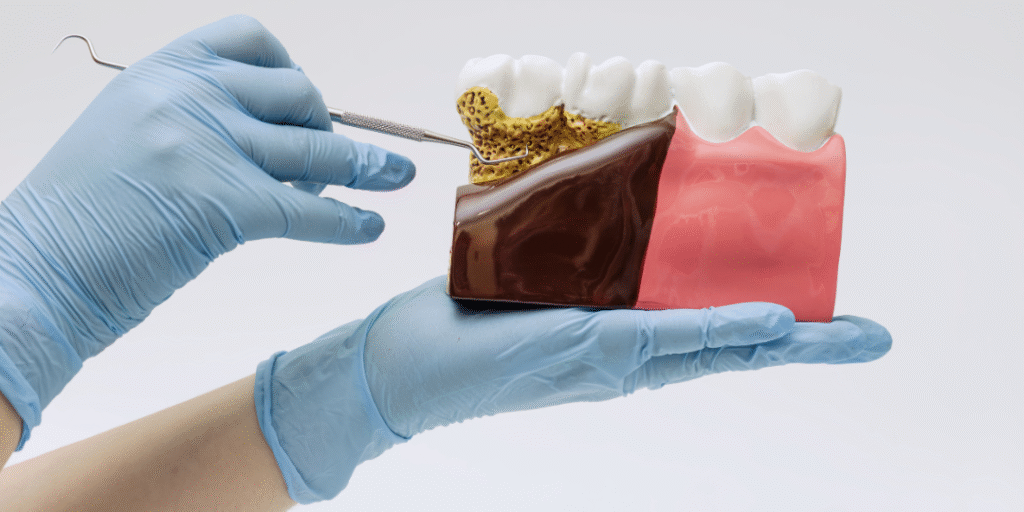
Healthy gums are the foundation of a healthy smile and a healthy body. Yet gum disease and gum recession often develop quietly, without pain, until noticeable damage has already occurred. From a holistic, health-centered dental perspective, this connection matters because what happens in your gums does not stay in your mouth. It affects inflammation, immunity, comfort, and long-term tooth stability.
Understanding how gum disease leads to receding gums is the first step toward protecting your oral health and preventing more serious problems down the road.
The Connection Between Gum Disease and Receding Gums
Gum disease, also called periodontal disease, is the leading cause of gum recession. It begins with gingivitis, an early stage marked by red, swollen, or bleeding gums. At this point, the damage is still reversible with proper care.
If left untreated, gingivitis can progress into periodontitis. Harmful bacteria settle below the gumline, triggering chronic inflammation. Over time, this inflammation destroys the supporting gum tissue and bone that hold teeth in place. As these structures break down, the gums begin to pull away from the teeth.
When gums recede, the roots of the teeth become exposed. Tooth roots are not protected by enamel, which makes them more sensitive and more vulnerable to decay. As recession progresses, teeth may loosen and, in severe cases, tooth loss can occur.
How Gum Disease Causes Gum Recession
Several processes work together during periodontal disease to cause recession:
- Bacterial infection: Plaque bacteria accumulate and inflame the gums.
- Chronic inflammation: The body’s immune response begins to break down healthy tissue.
- Bone and tissue destruction: The structures supporting the teeth weaken and shrink.
- Gum pullback: As support is lost, the gums recede, exposing tooth roots.
This process often happens slowly, which is why many people do not realize they have gum disease until symptoms become more noticeable.
Common Signs of Gum Disease and Receding Gums
Paying attention to early warning signs allows for easier and more conservative treatment. Common symptoms include:
- Red, swollen, tender, or bleeding gums
- Gums pulling away from the teeth
- Persistent bad breath
- Tooth sensitivity to hot, cold, or sweet foods
- Pain while brushing or eating
- Loose or shifting teeth
If you notice any of these changes, scheduling an evaluation promptly can help stop progression before permanent damage occurs.
Other Factors That Contribute to Gum Recession
While gum disease is the most common cause, gum recession is not always caused by infection alone. Other contributors include:
- Aggressive brushing: Brushing too hard or using stiff bristles can wear down enamel and irritate gums.
- Tobacco use: Smoking and chewing tobacco increase plaque buildup and impair healing.
- Genetics: Some people naturally have thinner or more fragile gum tissue.
- Teeth grinding or clenching: Excessive pressure creates trauma along the gumline.
- Hormonal changes: Puberty, pregnancy, and menopause can increase gum sensitivity.
- Misaligned teeth or bite issues: Uneven forces can stress specific areas of the gums.
A holistic approach considers all these factors rather than treating gum recession as a single, isolated issue.
Can Receding Gums Grow Back?
Receding gums do not grow back naturally. However, the good news is that progression can often be stopped, and damage can be managed or repaired with professional care.
The key is early intervention. Addressing inflammation and removing harmful bacteria protects the remaining gum tissue and bone. In more advanced cases, restorative procedures may be recommended to rebuild the gumline and protect exposed roots.
Prevention and Treatment Options
Daily Oral Care
- Brush gently twice daily using a soft-bristle toothbrush
- Clean between teeth once a day with floss or an interdental brush
- Use toothpaste and mouth rinses recommended by your dental professional
Regular Dental Visits
Professional cleanings remove plaque and tartar that cannot be eliminated at home. Routine exams allow your dentist to measure gum health and detect recession early.
Address Underlying Causes
- Quit tobacco use to improve circulation and healing
- Wear a night guard if you grind or clench your teeth
- Adjust brushing technique if abrasion is present
Professional Treatment
Depending on the severity, treatment may include deep cleanings, localized antimicrobial therapy, bonding to protect exposed roots, orthodontic correction, or referral to a periodontist for gum grafting. Modern techniques are minimally invasive and focus on preserving comfort and long-term stability.
A Holistic Perspective on Gum Health
From a biological and health-centered perspective, gum disease is characterized by chronic inflammation. Inflammation in the mouth can influence overall wellness, including immune health and systemic inflammation. Caring for your gums is not only about saving teeth. It is about supporting the health of your entire body.
Gentle care, individualized treatment plans, and early intervention allow us to protect both function and comfort while minimizing trauma to sensitive gum tissue.
When to Seek Help
If your teeth appear longer than they used to, if sensitivity has increased, or if your gums bleed regularly, it is important to schedule a dental evaluation. The earlier gum disease and recession are addressed, the more conservative and successful the treatment can be.
Final Thoughts
Gum disease and receding gums are closely connected, but they are also manageable. With proper daily care, professional support, and attention to underlying causes, you can protect your gums, preserve your teeth, and support long-term health.
Healthy gums create a strong foundation for a healthy smile and a healthier you.